A Group Night Out in Quảng Ngãi Needs a Clear Plan B
A group night out in Quảng Ngãi can include gambling without making it the whole evening. Agree on an alternative and an easy, pressure-free exit.
The common mistake in planning a group night out in Quảng Ngãi is treating the casino visit as the whole plan and assuming everyone can simply leave if they want. That assumption can cost a friend the chance to step away without embarrassment, or leave the rest of the group scrambling for somewhere to go. A clearer plan pairs the shared activity with a non-gambling alternative and a simple way to split up.
Why does the plan become hard to change?
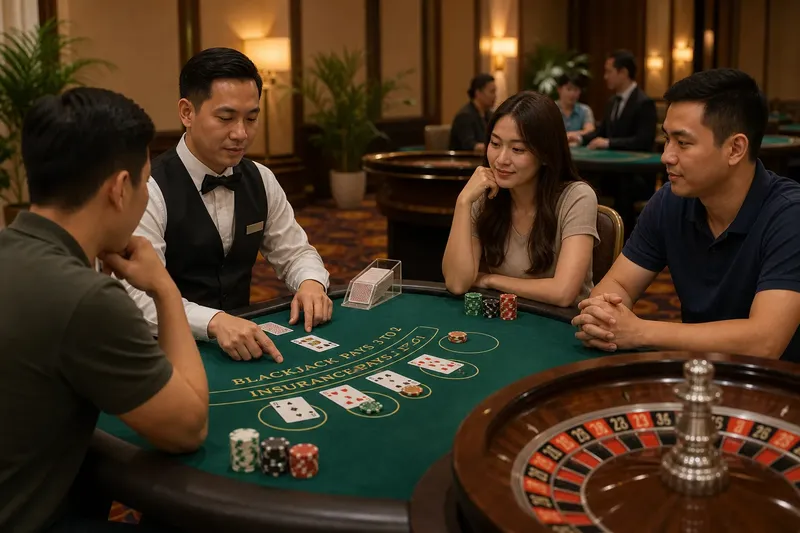
A vague invitation—“Let’s go out and see what happens”—can hide different expectations. One person may imagine a meal and conversation; another may expect the group to stay at a gambling venue for the evening. Once people have traveled together, the person who wants something else may feel responsible for disrupting the night.
Before anyone commits, name the main activity plainly and ask what everyone is comfortable joining. This is not a demand for anyone to explain private reasons. It is a chance to make sure the invitation leaves room for different choices.
Try: “We could visit the venue, have dinner nearby, or do both. Which parts sound good to you?”
What if nobody names an alternative?
Without a plan B, the group’s next move may depend on whoever speaks loudest. That can turn a casual disagreement into pressure to stay, especially if the alternative has not been considered in advance.
Choose a nearby activity that does not require gambling: dinner, coffee, a walk through a public area, or an agreed place to meet later. Keep the alternative specific enough to act on. “We’ll figure it out” is less useful than naming a restaurant or deciding to meet at a particular public spot.
Say you are arranging an evening with friends near a venue. One friend wants to gamble; another prefers not to enter. You agree to have dinner together first, then let each person choose whether to visit the venue or stay for coffee. The expected result is a shared start and a clear next move, without making either person defend a preference.
How can the group agree on an easy exit?
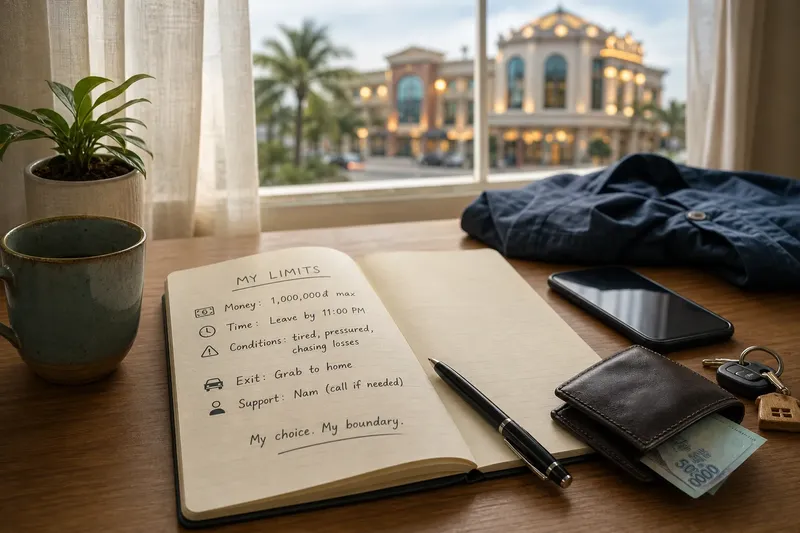
Leaving can feel awkward if everyone expects to depart together. Agree beforehand that anyone may leave or change activities without persuading the group. Decide how people will get home separately if needed, and make sure each person knows where to meet or whom to contact.
Keep the arrangement ordinary and direct. A person can say, “I’m heading out now; enjoy the rest of the evening,” without turning the choice into a group discussion. If transport is shared, settle the practical details before the night rather than relying on someone to stay when they would rather go.
Give the exit plan a clear point of contact and a backup that does not depend on the person who wants to leave.
What should you settle before setting out?
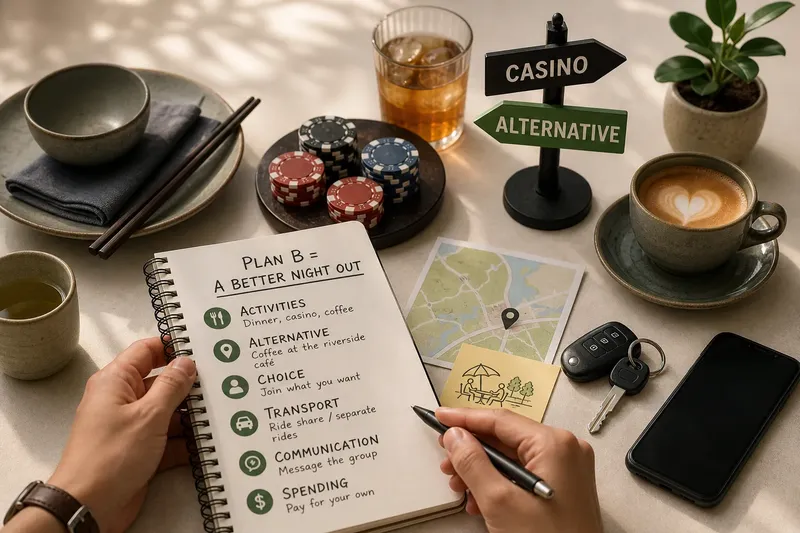
- Activities: Name what the group may do, including which parts involve gambling.
- Alternative: Choose a specific non-gambling option and a place to meet.
- Choice: Make clear that joining one activity does not commit anyone to the next.
- Transport: Agree how each person can leave, including if the group separates.
- Communication: Pick a simple way to let others know about a change of plan.
- Spending expectations: Avoid assuming that everyone will pay for or participate in the same things.
For venue access, age requirements, transport, or local restrictions, check the relevant venue information and local rules before making arrangements.
What do people ask about a group night out?
How do you invite friends without making gambling sound expected?
State the options in the invitation and say that people can join only the parts they prefer. A neutral description lets each person decide without having to reject the entire evening.
What if someone changes their mind after arriving?
Let them switch activities or leave without asking for a reason. Use the meeting point and transport plan already agreed, rather than treating a change of mind as a problem to solve through persuasion.
Can the group split up and still have a shared evening?
Yes, if everyone knows when and where to reconnect, or understands that some people may finish separately. A meal or coffee before the split can give the group time together without making later participation compulsory.
What if friends tease someone for choosing the alternative?
Keep the response calm and brief: the plan includes different choices, and no one needs to justify theirs. If the teasing continues, the person can use the agreed exit rather than staying to win an argument.
How can the plan stay clear once the evening begins?
At each change of activity, say what comes next and leave time for people to opt in or out. Avoid treating a person’s earlier agreement as permission for the rest of the night. Someone who joined dinner has not necessarily agreed to visit a gambling venue, and someone who visits one has not promised to stay.
A group night out in Quảng Ngãi works better when the plan B is real before anyone needs it. Choose the alternative, make separate departures practical, and treat a change of mind as part of the plan—not a failure of it.